

This spring marked my first time volunteering in Canada Wildlife Preservation’s Adopt-A-Site survey, part of their Eastern Loggerhead Shrike Project. The survey sends volunteers to prime habitat to search for loggerhead shrikes (Lanius ludovicianus ssp. migrans), one of Canada’s most endangered songbirds. I was assigned half a dozen sites outside the town of Renfrew, which I visited three times from April to June.

Loggerhead shrikes are popularly known as “butcherbirds” due to their habit of impaling prey (insects, herps, small birds) on thorns or bits of barbed wire. They hunt like raptors, but due to their small size they lack the talons to grip and handle their prey while feeding. As CWP research biologist Helmi Hess described to the volunteers, the thorn acts like cutlery for the bird. And despite their fearsome reputation the loggerhead shrike’s prey is not alive when impaled.
Due to their hunting habits loggerhead shrike require very particular habitat for breeding: short grasslands (including pastures) with scattered thorn trees, usually hawthorns. This habitat continues to be lost to farming and suburbanization, leaving the loggerhead shrike at significant risk. CWP estimates there are only 25 mature breeding pairs left in Canada.
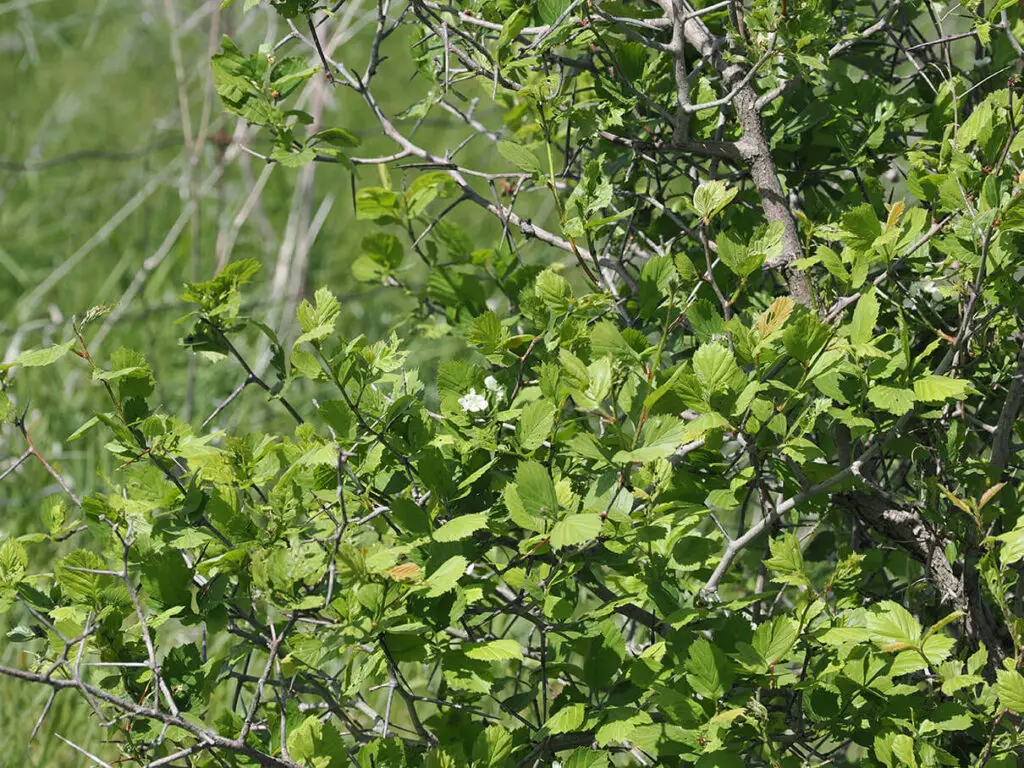
Our population of loggerhead shrikes is especially important because it is migratory, unlike resident populations in the midwestern and western United States. Our group is genetically distinct from those resident populations, more closely related to an East Coast group of migratory shrike that are now lost to human interference.
CWP boosts loggerhead shrike numbers in Ontario with a captive breeding program and banding of the birds. Released shrike have been shown to integrate and breed with their wild-born counterparts, successfully boosting overall population numbers. This program has likely prevented the complete loss of the species in our province to date.
These days, loggerhead shrikes are known to breed on the Carden and Napanee plains, but their historical range included areas around Renfrew and Pembroke. So I knew my odds of spotting a breeding pair near Renfrew were pretty low, and sure enough I did not spot a single shrike during any of my three visits. Other volunteers tell me this is typical. However, I did spot a variety of other birds including a few species at risk flagged by CWP including barn swallow, bobolink and eastern meadowlark.
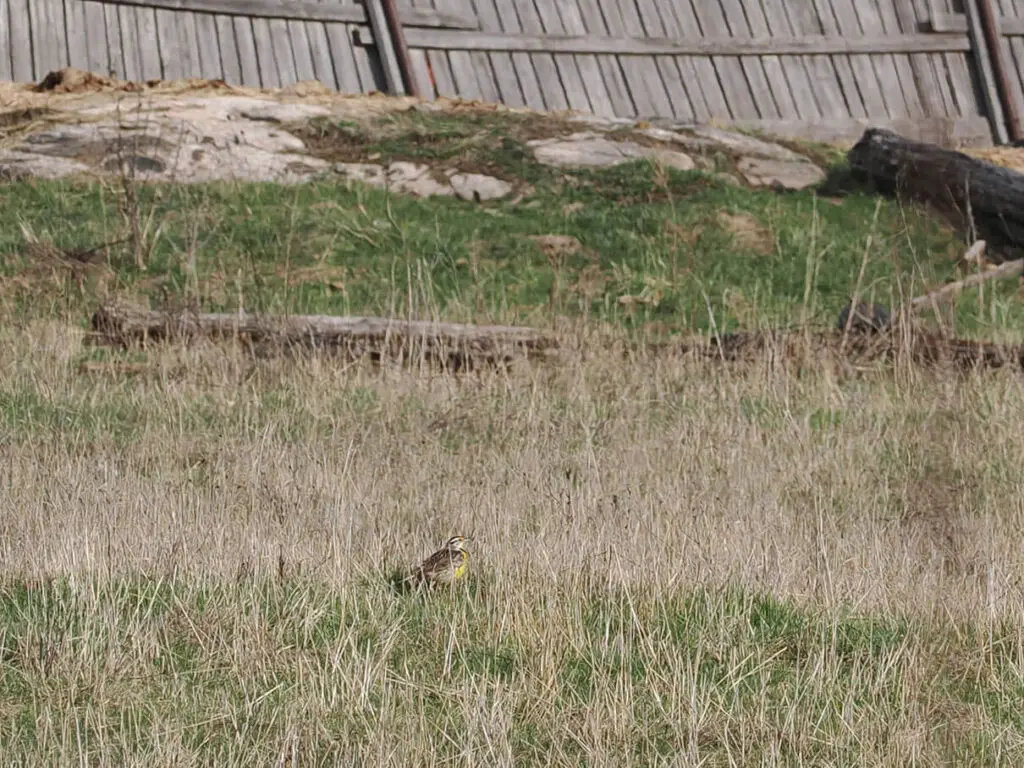

While observing from the roadside I was encouraged to meet a couple of local landowners who were receptive to our efforts. One farmer whose pasture is prime habitat offered us direct access next year before his cattle move into the field. A woman whose farm field we were observing stopped to let us know she had not seen shrikes there for several years. It’s nice to know we’re not the only ones looking out for them.
Overall the Adopt-A-Site survey was a lot of fun to participate in, and I plan to return next spring to look for loggerhead shrike again. You can see the 2025 survey results here, and I’ll add a link to the 2026 results when they are released. It’s great to get involved with an organized conservation effort, meet likeminded people and build those surveying skills. Best of all it’s an excellent excuse to say, “Sorry, I really have to go birding now.”
Jeff Priest
Owner and Guide,
Upland Nature Guides