
Questions?
Here you will find some answers to frequently asked questions. We will add to the list as more questions are received. Don’t see your question answered here? Please contact us and we’ll be happy to provide an answer.
Frequently asked questions
- How do I book a hike with Upland?
- How do I sign the Upland waiver?
- What are the activity levels used in Upland hike listings?
- What is a “low-barrier” hike?
- How is elevation gain calculated?
- Can children and youth attend Upland hikes?
- How do I avoid poison ivy? How should I treat poison ivy exposure?
- Is poison ivy the only plant to avoid touching?
- Does Upland teach foraging classes? What does “Leave No Trace” mean?
Q: How do I book a hike with Upland?

- Browse the hike schedule
Browse our calendar or list of events to find the location, time and adventure level that fits you. Search for your special interest, or read trip reports to see what past events were like.

- Fill in the registration form
Fill in the form on the event listing and click the Submit button. We’ll send an email when your form is received. Note: Registrations are not confirmed until we receive your payment. See step 3!

- Send payment by e‑transfer
Send an e-transfer in the amount stated on the form to the address info@uplandnature.com. Please note we use Interac Autodeposit. You will receive email confirmation of payment.
Q: How do I sign the Upland waiver?
If you haven’t signed the Upland waiver, we’ll send you a digital copy to sign in advance. Or, you can print, sign and bring it with you to the hike. Please note: All attendees must submit a signed waiver each year in order to participate in Upland hikes.
For more information on bookings, please see the Upland Booking and Cancellation Policy.
Q: What are the activity levels used in Upland hike listings?
Upland hikes are rated on a five-point scale describing the trail conditions and the physical exertion required:
- Low: Flat, accessible and well-marked with no tripping hazards, such as a rail trail with crushed stone surface.
- Low-Moderate: Gradual ups and downs on a wide dirt or gravel path with minor irregularities such as puddles, loose branches and/or limited footpath sections.
- Moderate: Some elevation gain mixed with gentler stretches, such as rocky ridges in an upland forest. ATV trails and footpaths with some roots, rocks and mud.
- Moderate-High: Rugged footpaths with steeper stretches, winding sections, and/or infrequent obstacles such as downed trees to bypass.
- High: Significant elevation gain sometimes requiring use of hands and feet (scrambling), stretches of rough, wet or slippery terrain, and/or frequent obstacles to bypass.
Q: What is a “low-barrier” hike?
Upland Nature Guides holds monthly low-barrier hikes on rail trails across the highlands region. These accessible, affordable outings are aimed at new hikers and people with disabilities.
All low-barrier hikes are Activity Level 1: Low, as described in the five-point scale above. As always, these outings are focused on nature observation and fun rather than covering long distances. Low-barrier hikes are three hours in length and travel no more than one kilometer per hour. Professional caregivers are welcome to attend for free along with their clients.
If you have any questions about joining our low-barrier hikes, please contact Upland and we will happily work with you to provide the answers.
Q: How is elevation gain calculated?
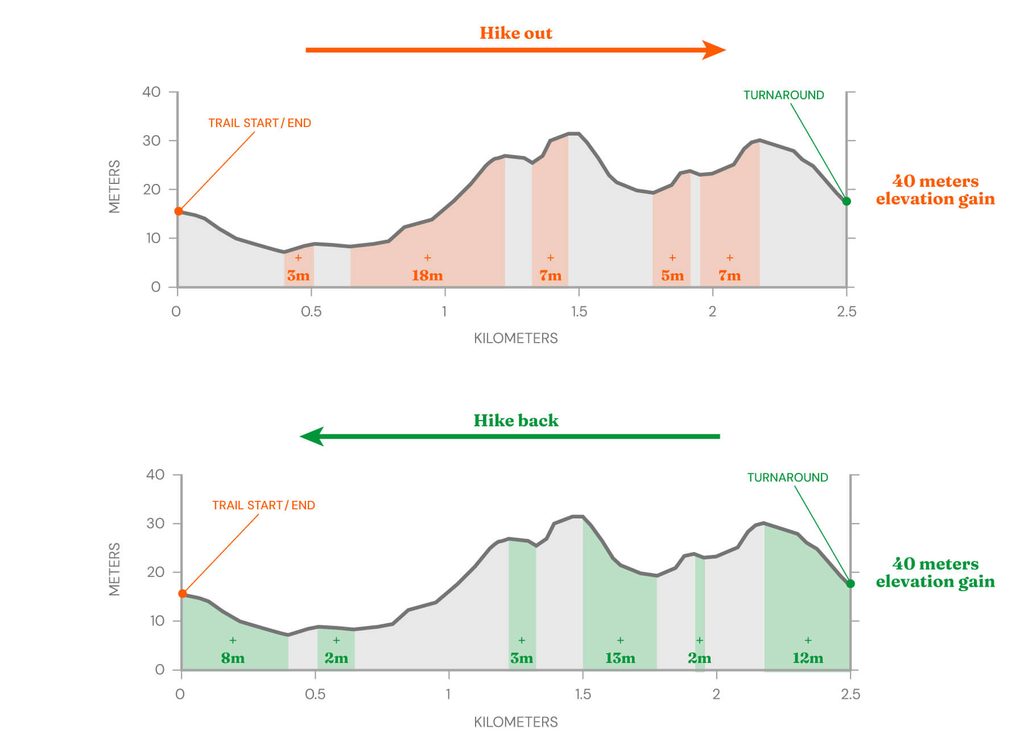
Also known as cumulative or total elevation gain, it is calculated by adding all the uphill sections of a trail together and ignoring the flat or downhill sections. Whether we follow loops or out-and-back trails, all Upland hikes end where they begin. As a result, the downhill always equals the uphill and net elevation gain is zero. Note: The same amount of elevation gain can feel different based on steepness, sustained length and trail conditions, so make sure you read each hike description carefully.
Q: Can children and youth attend Upland hikes?
Children 12 years of age or older are welcome to participate with a parent or guardian in attendance. In advance of the hike, the parent or guardian must sign the Upland waiver on behalf of each participating minor. Note: Per Upland policy, each parent or guardian can supervise no more than three minors during a hike. Please contact us if you have any questions.
Q: How do I avoid poison ivy? How should I treat poison ivy exposure?
The old saying, “leaves of three, let it be,” is a good start, but poison ivy is just one of many plants that have threefold leaflets. Here’s how to tell poison ivy apart from harmless three-leaved plants like Jack-in-the-pulpit, strawberries and threeleaf goldthread:
Poison ivy leaflets are oval to egg-shaped with a pointed tip and often a glossy surface. The edges can be smooth or have irregular teeth. The middle leaflet sits on a longer stalk than the others and is symmetrical, while the outer two leaflets are often asymmetrical or mitten-shaped. Leaves attach to the stem in an alternating pattern, never appearing directly opposite each other.
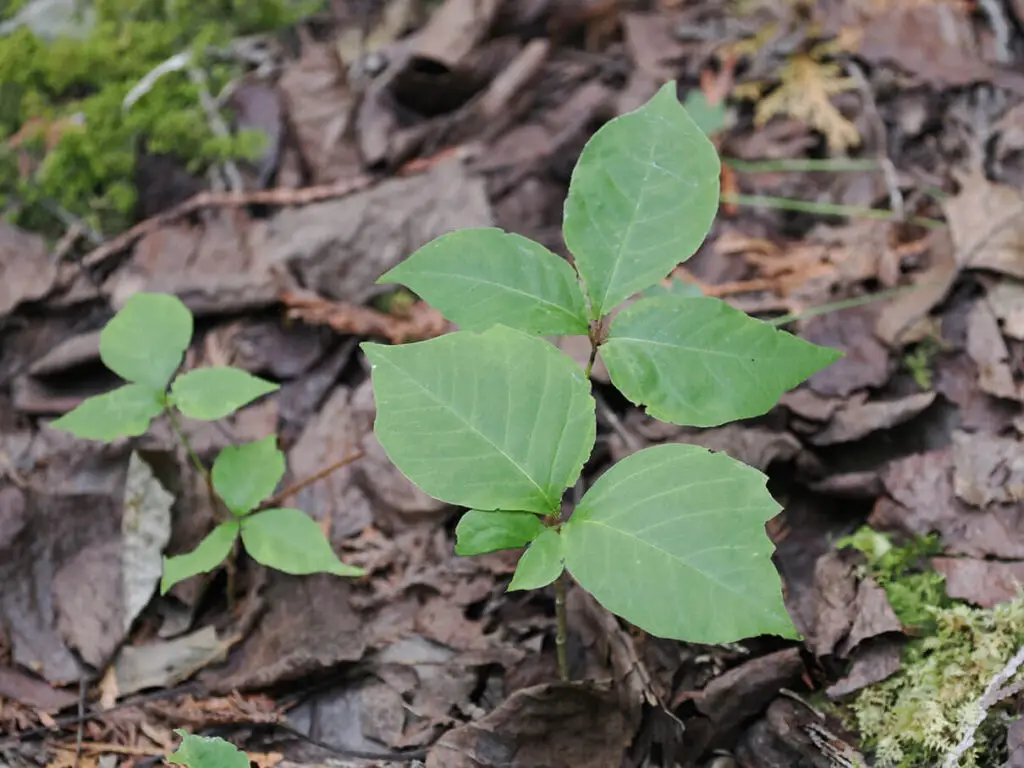
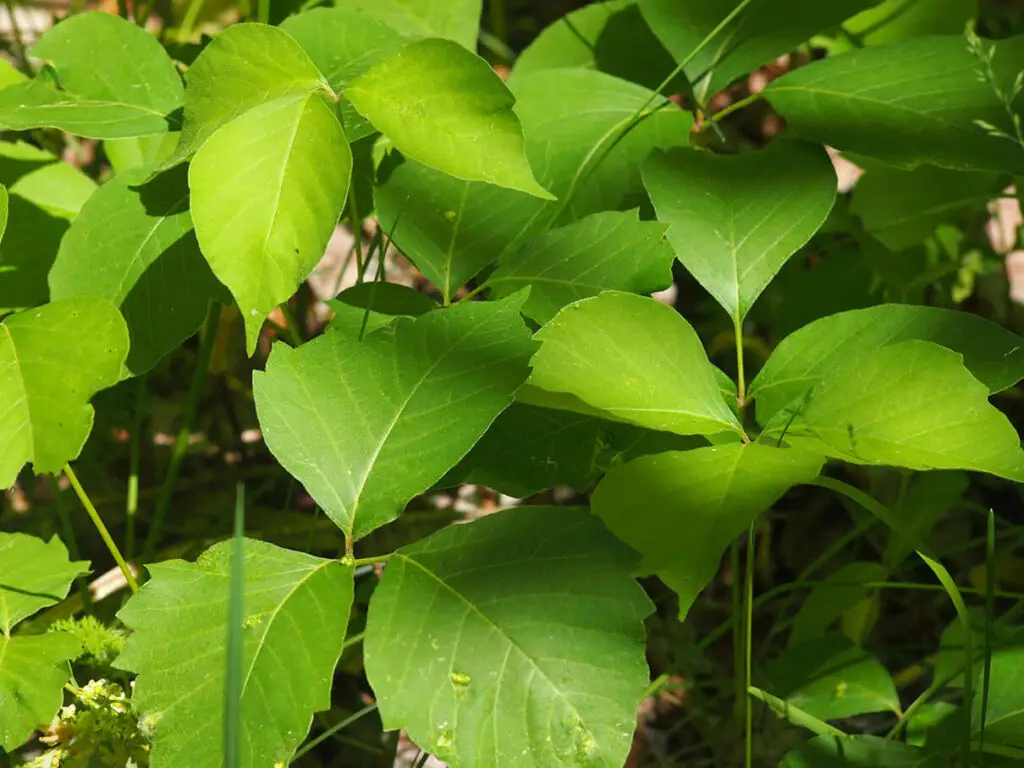

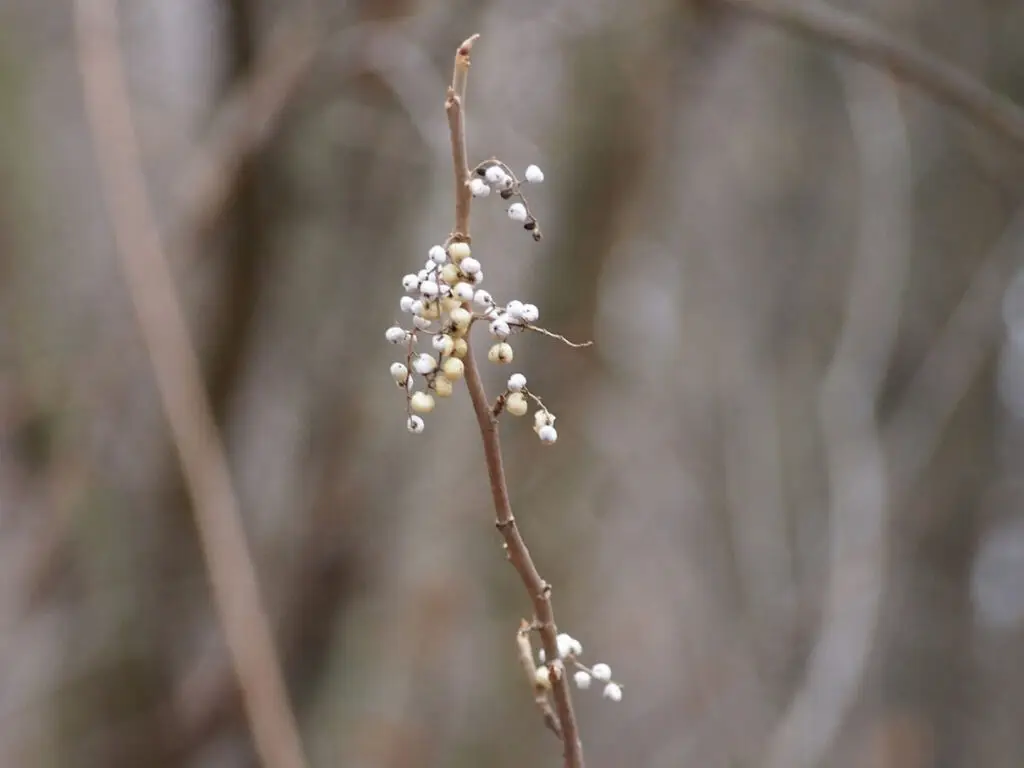
Ontario is home to both eastern and western poison ivy. Western poison ivy (Toxicodendron rydbergii) is more common in the highlands region. It’s a low-growing shrub with a short, woody stem and small greenish-yellow berries that turn whitish-grey in the winter. All parts contain urushiol, the oily resin that causes allergic skin reactions—so don’t touch!
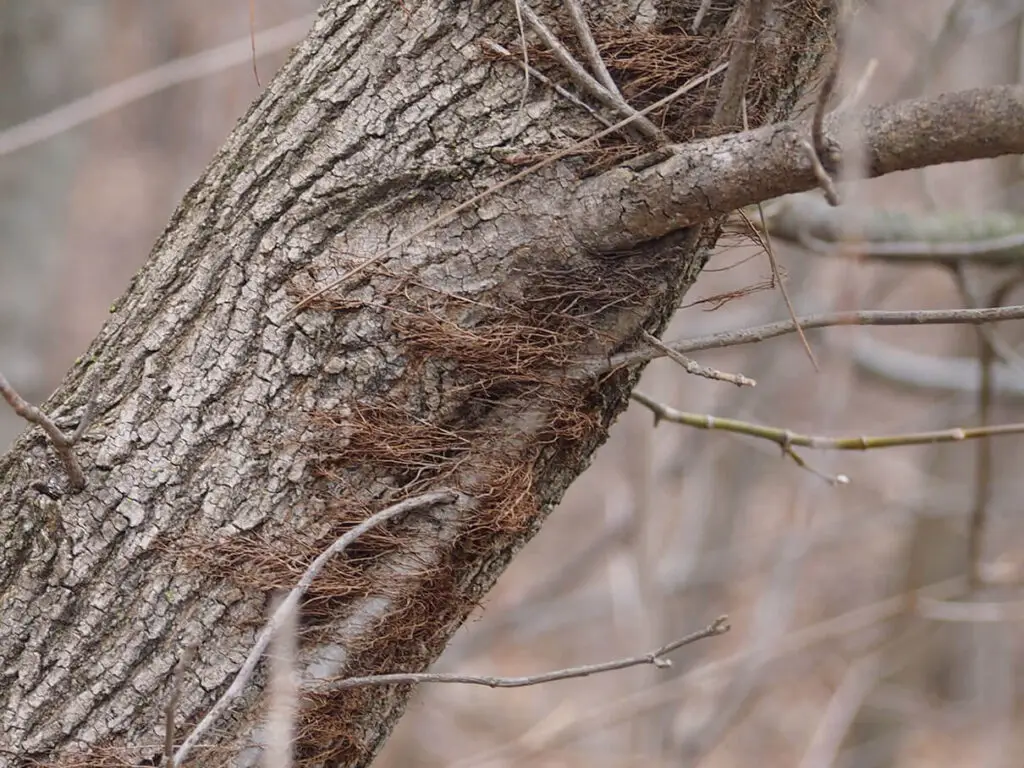
Eastern poison ivy (Toxicodendron radicans) mostly occurs to the south and is often overlooked because it grows by vining around other plants. As it climbs, the plant sends out abundant aerial roots that cause a nasty rash if touched, just like the leaves.
Some lucky people have a lower sensitivity to urushiol than others, but sensitivity increases with exposure. If exposed to poison ivy, avoid touching the affected area so you don’t spread it around. Skin, clothes, other gear or even pets can be cleaned with dish soap, which is strong enough to cut through the oily resin. Try to treat within an hour, before the oils sink into the skin and start to cause irritation. Use cool or lukewarm water to avoid opening your pores, wash gently, rinse thoroughly, and make sure to get under your fingernails.
Q: Is poison ivy the only plant to avoid touching?
A number of other local plants can cause rashes, blisters and photochemical burns on contact. Some are native to our region and others are introduced. These include the hogweeds and angelicas, large upright plants with a thick central stalk and white, umbrella-shaped flowers. Giant hogweed sap is extremely toxic, long-lasting and can cause blindness if it gets in your eyes.
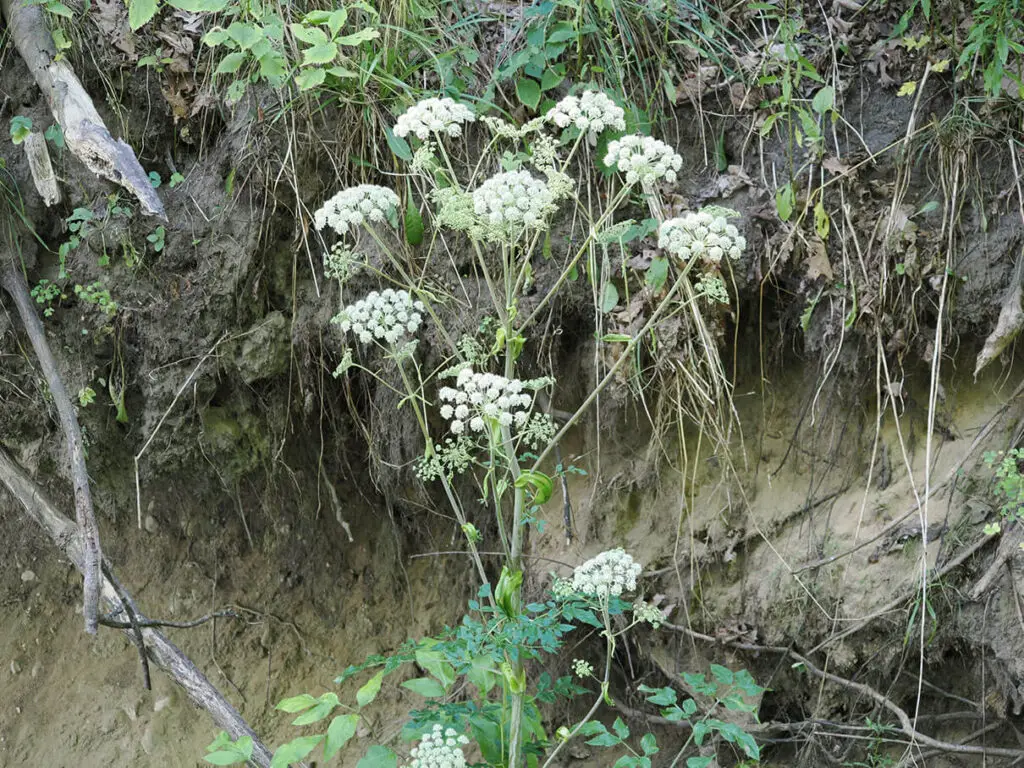


Wild parsnip is an invasive roadside weed, but it’s also grown for the edible taproot. Like many plants in the carrot family, sap from wild parsnip causes photochemical burns on contact and exposure to sun. Bloodroot is a lesser-known risk, with bright red sap that contains the toxic alkaloid sanguinarine. Contact with bloodroot sap causes necrosis of living tissue, leading to painful lesions and deep scarring.
Most of the above can be treated by avoiding sunlight and washing in the manner described for poison ivy. However, exposure to giant hogweed or any eye exposure to these plants should be treated by medical professionals. If in doubt, see a doctor immediately.

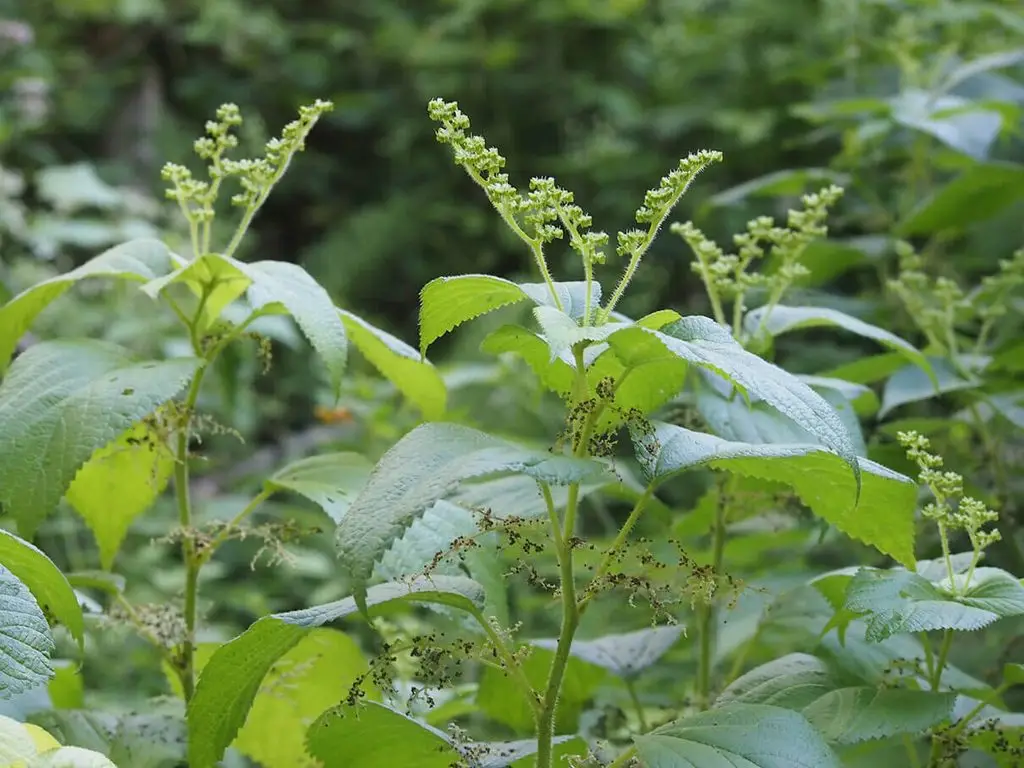
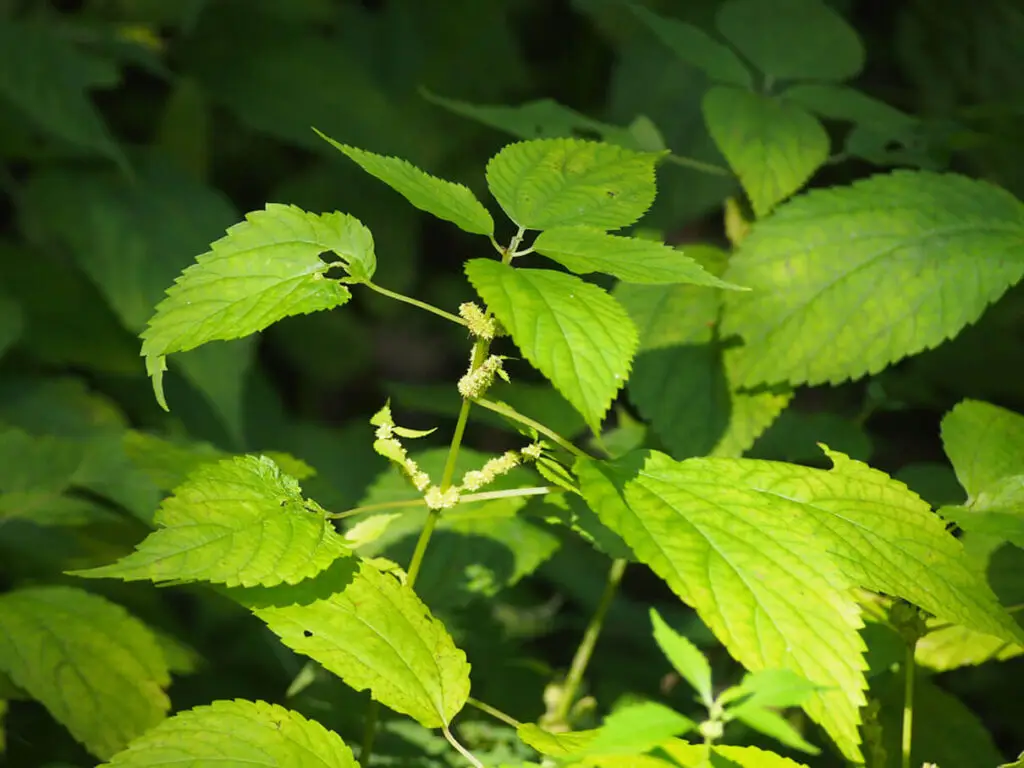
The effects of plants like stinging nettles are less serious but still unpleasant. Nettles have leaves and stems covered in tiny, needle-like hairs that break off and cause pain and skin irritation. When you brush up against a nettle plant you’ll feel an immediate, almost electric shock of sharp pain, followed by burning and itchy red bumps at the point of contact. Stinging nettles cause no long-term damage, but you won’t forget your first encounter.
These risks can be mitigated by observing your surroundings, staying on trail and following Leave No Trace principles. A professional nature guide can point out dangers and familiarize you with what to avoid. Always pay attention to your guide’s warnings and follow their safety instructions.
Q: Does Upland teach foraging classes? What does “Leave No Trace” mean?
At Upland Nature Guides we do not teach foraging or wildcrafting, nor do we advise clients on the edibility of mushrooms or any other wild organisms. No offence to those who do, but it’s just not our thing. Upland guides are certified in Leave No Trace principles by Hike Ontario, and all outings are planned and carried out according to these principles.
On a hike, we keep to the trails and look before we step in order to avoid crushing delicate creatures. We leave behind nothing but footprints and take nothing but photos. Feathers, shells, rocks and flowers are left where they were found with a minimum of disruption to their natural existence.
All supplies that are packed in must be packed out. Where possible we clean up litter and leave the trail in better condition than we found it. To this end, Upland organizes an annual week-long litter cleanup each spring at a different location in Ontario’s highlands. Watch our blog and social feeds for more information in early 2027.