Note: A version of this blog post was published in the July newsletter of the Mississippi Madawaska Land Trust (MMLT).
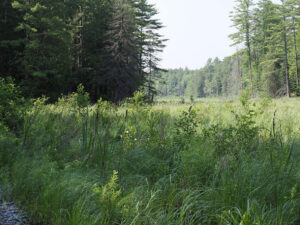
On Saturday, June 27, members of the public were invited to the MMLT’s new Aird Creek MapleCross Nature Reserve for the very first time to participate in a BioBlitz event. Organized by Andrew Dunbar and Emily Moynes, the BioBlitz brought together experts and citizen scientists to document as many species as possible using iNaturalist. As a result, we now have a better picture of the diverse and locally rare ecosystems protected by the reserve.
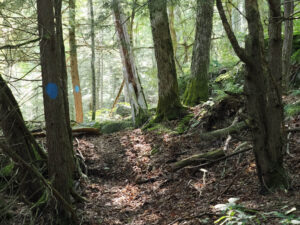
It was a warm, sunny day with few mosquitoes and lots of other wildlife in evidence. We had an eager group of about 25, including MMLT staff and members, naturalists Eleanor Thomsen and Owen Clarkin, professors and students from Carleton University and Fleming College, plus friends, family and neighbouring landowners. Teams explored the newly cleared trail system (thanks, volunteers!) and into the untracked back portion of the reserve.
As of July 22, 2026, the Aird Creek MapleCross BioBlitz resulted in 971 new observations of 408 species—a great success! The total number of species observed on the property increased from 140 before the BioBlitz to 428 after. This includes 139 herbaceous plants, 43 trees and shrubs, eight fungi and lichen, 26 arthropods, six herps, ten birds and three mammals. The species count will only grow as more BioBlitz observations are confirmed by the iNaturalist community.
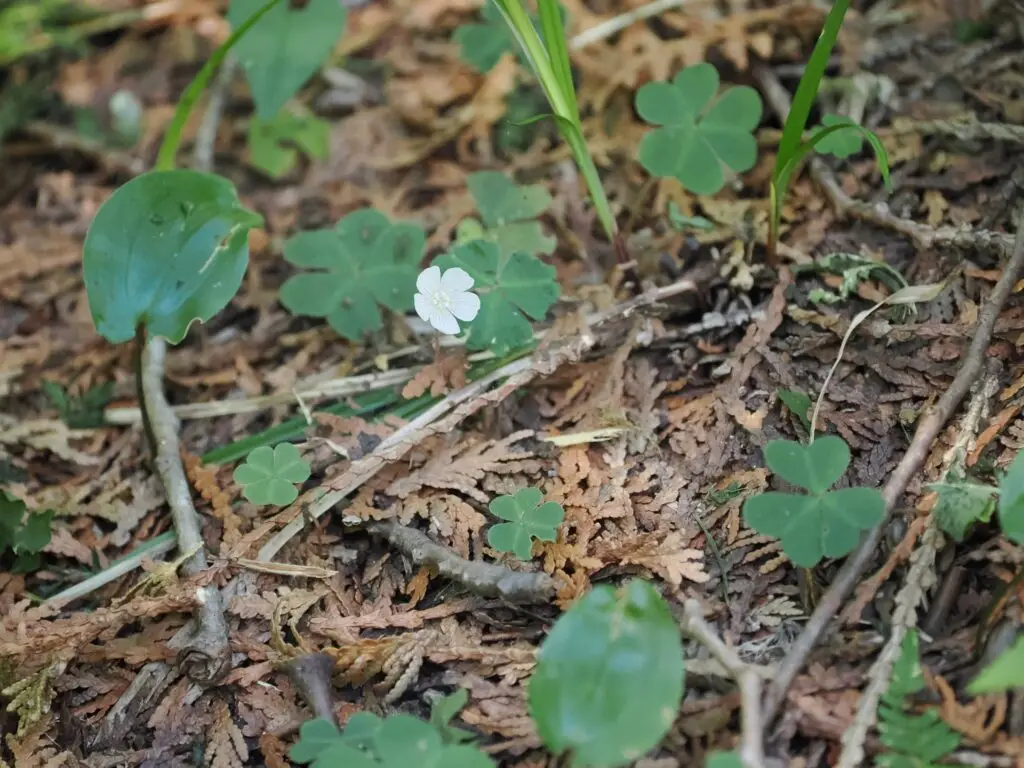
The timing was right for a profusion of Mountain Woodsorrel (Oxalis montana) blooming in the forest. This climax species occurs in mature upland woods, spreading via rhizomes. The amount of pink in the flower varies depending on elevation.
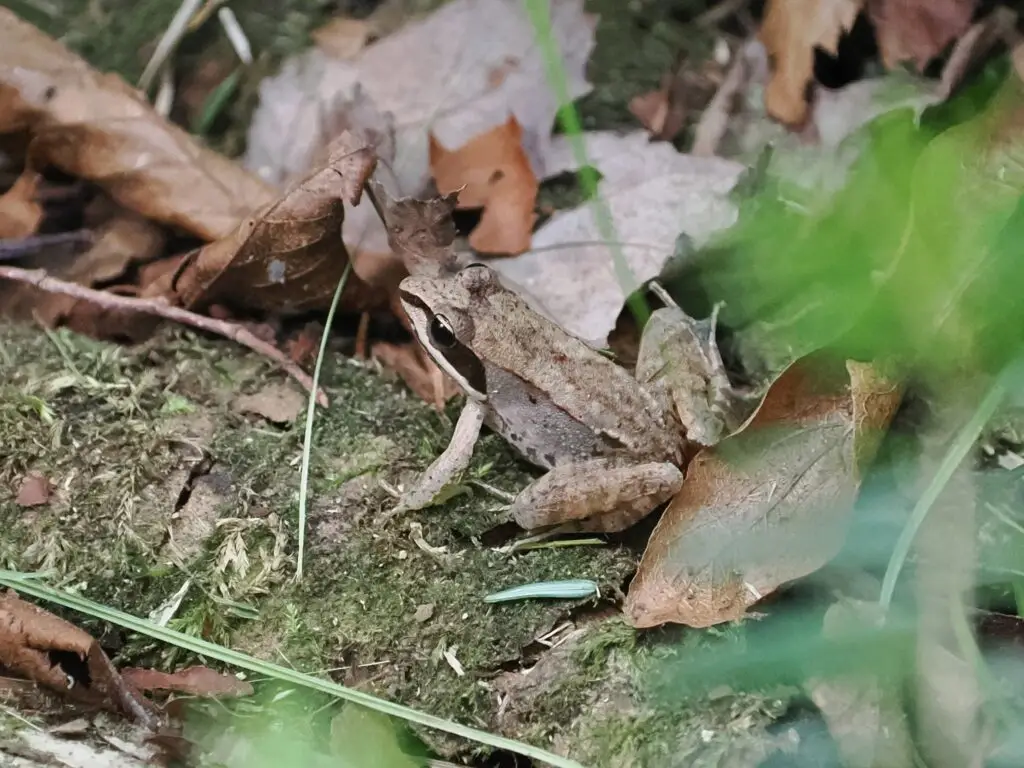
Wood Frogs (Lithobates sylvaticus) are associated with upland vernal pools, often returning to the same spot year after year to breed. As a result they are threatened by habitat loss, so it’s great to see them at Aird Creek MapleCross. These frogs are highly cold-tolerant, able to freeze solid and revive without harm thanks to natural antifreeze.

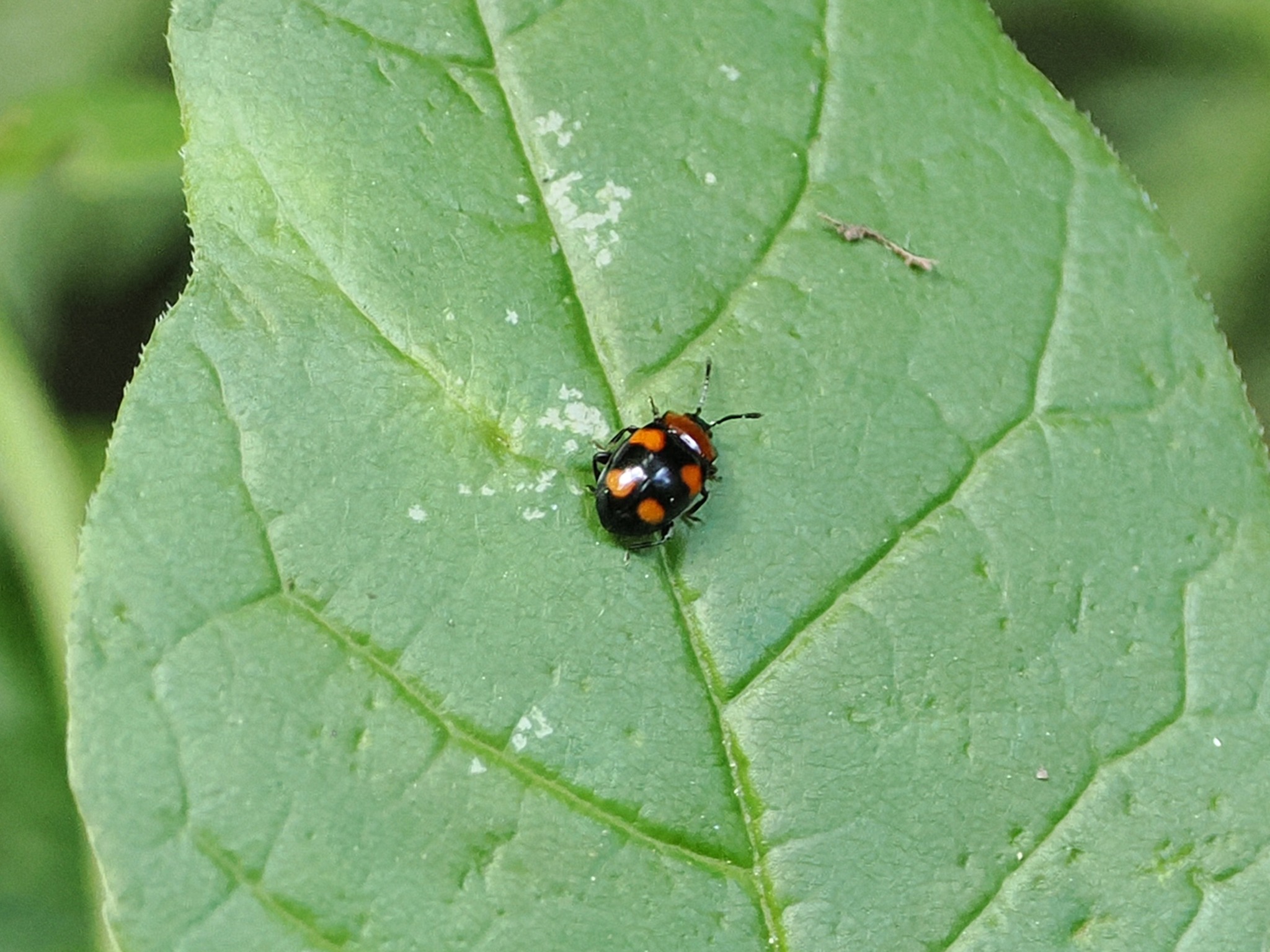
It was a great day for fungus beetles, with two sightings of these tiny arthropods. The Orange-spotted Handsome Fungus Beetle (Mycetina perpulchra) is notably rare in Ontario with only 30 confirmed observations on iNaturalist, and no other observations within a 50-kilometer radius of Aird Creek MapleCross.
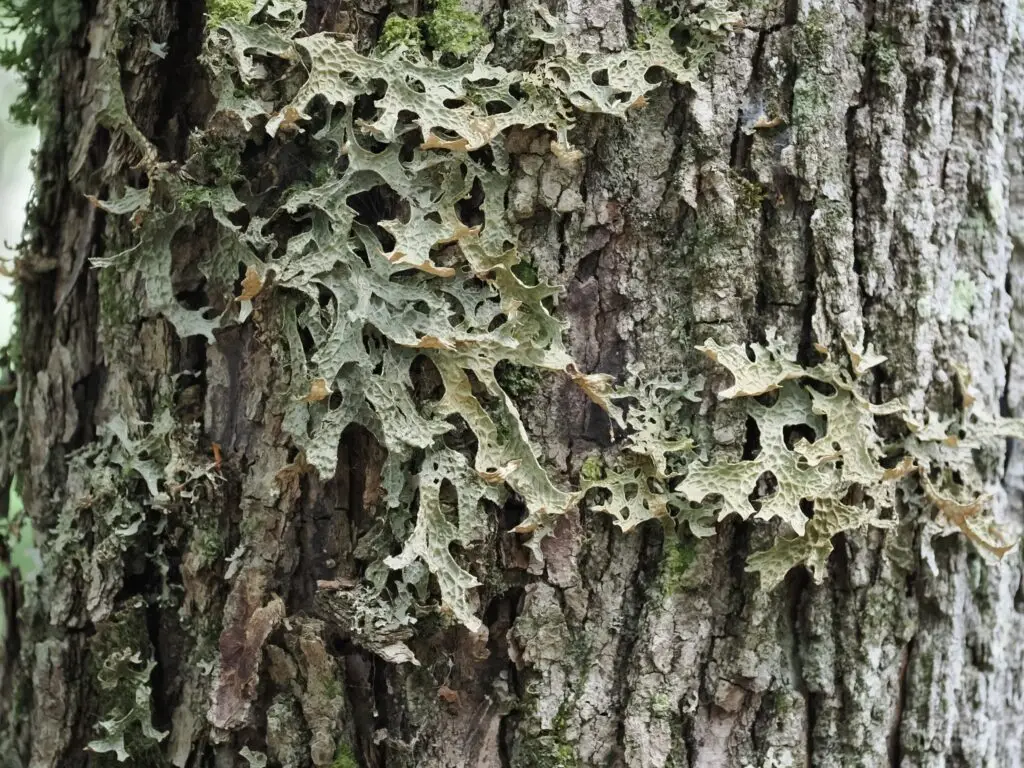
A number of attendees spotted Tree Lungwort (Lobaria pulmonaria), a great indication of low air pollution levels at the reserve.
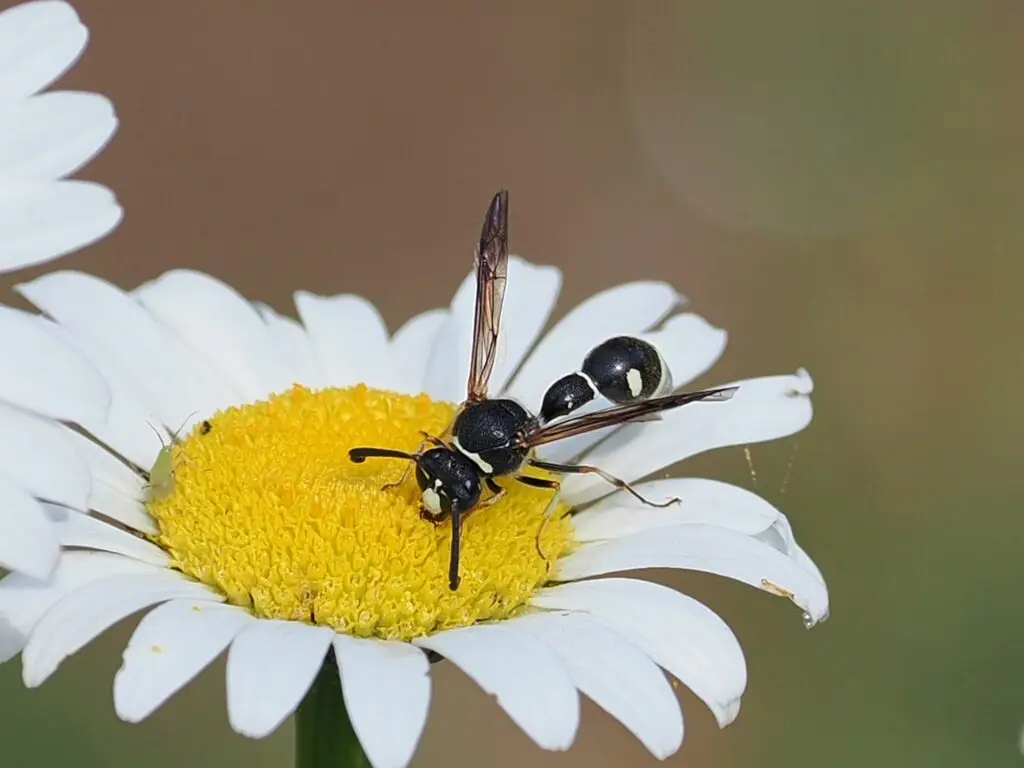
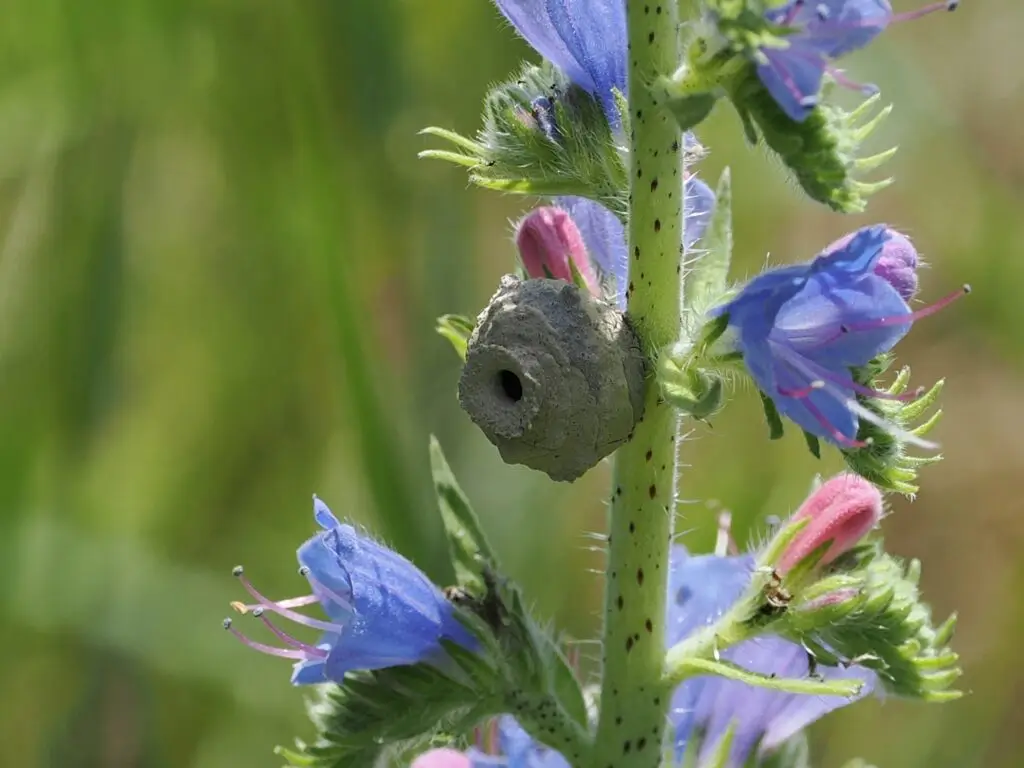
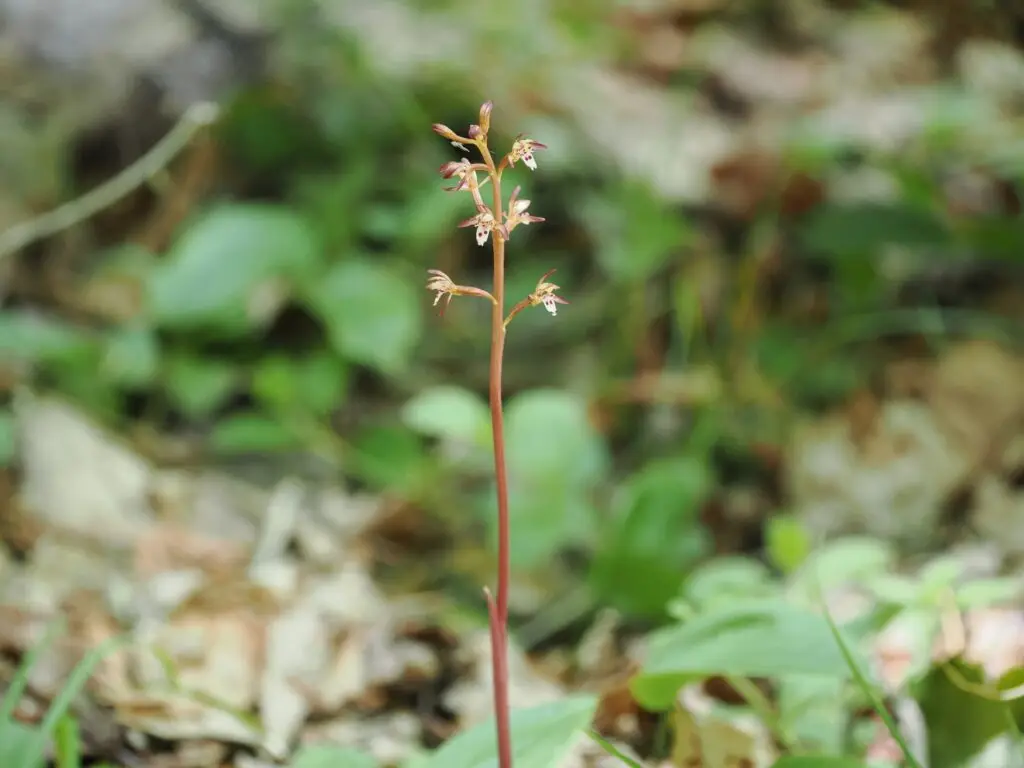
We were fortunate to see a native orchid in bloom, Spotted Coralroot (Corallorhiza maculata). This myco-heterotroph grows mostly in upland woods, producing food without photosynthesis by parasitizing mushrooms in the Russulaceae family.
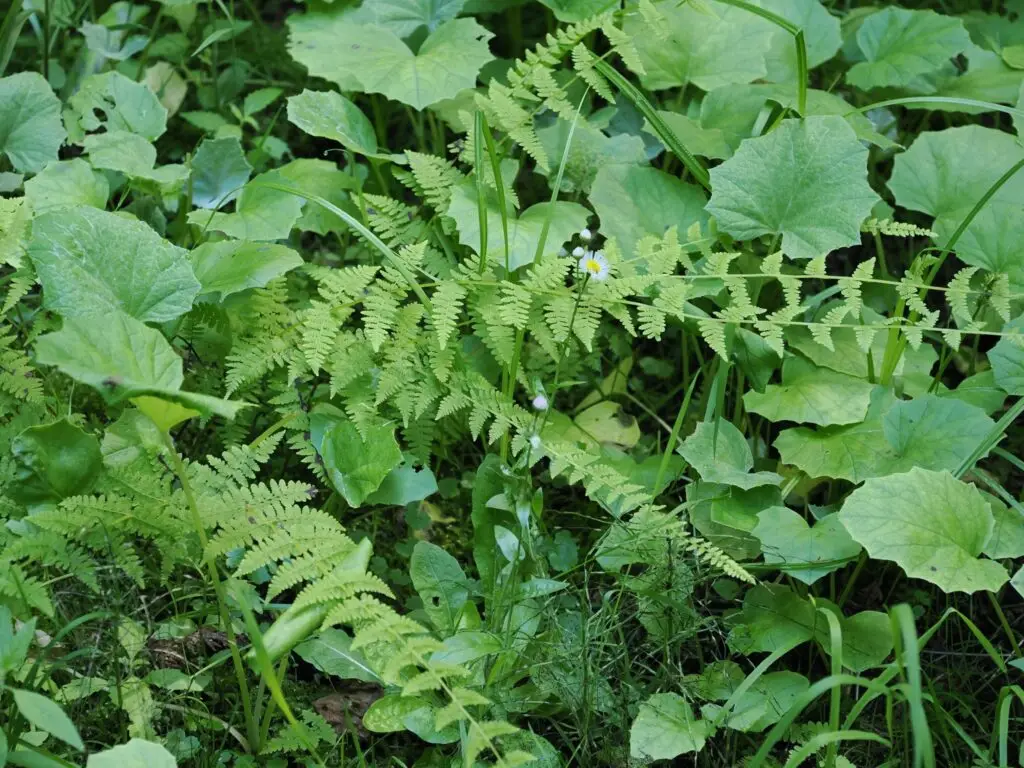
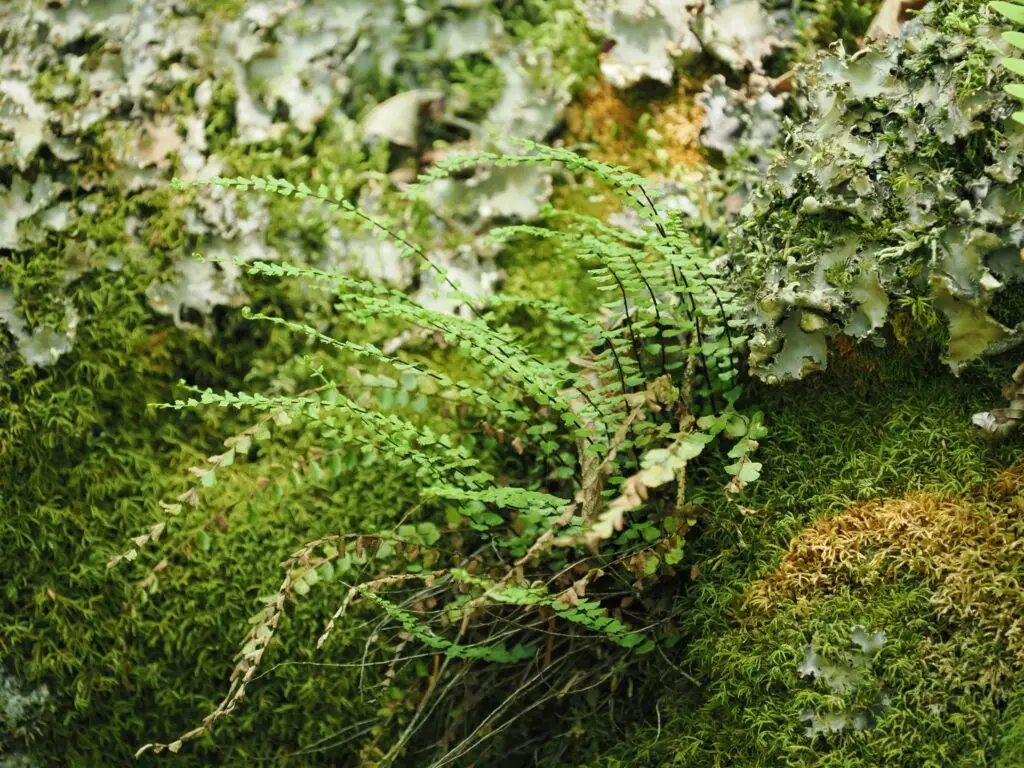
Several species hint at calcareous bedrock at Aird Creek MapleCross, including limestone-loving Bulblet Fern (Cystopteris bulbifera) and Maidenhair Spleenwort (Asplenium trichomanes ssp. quadrivalens).
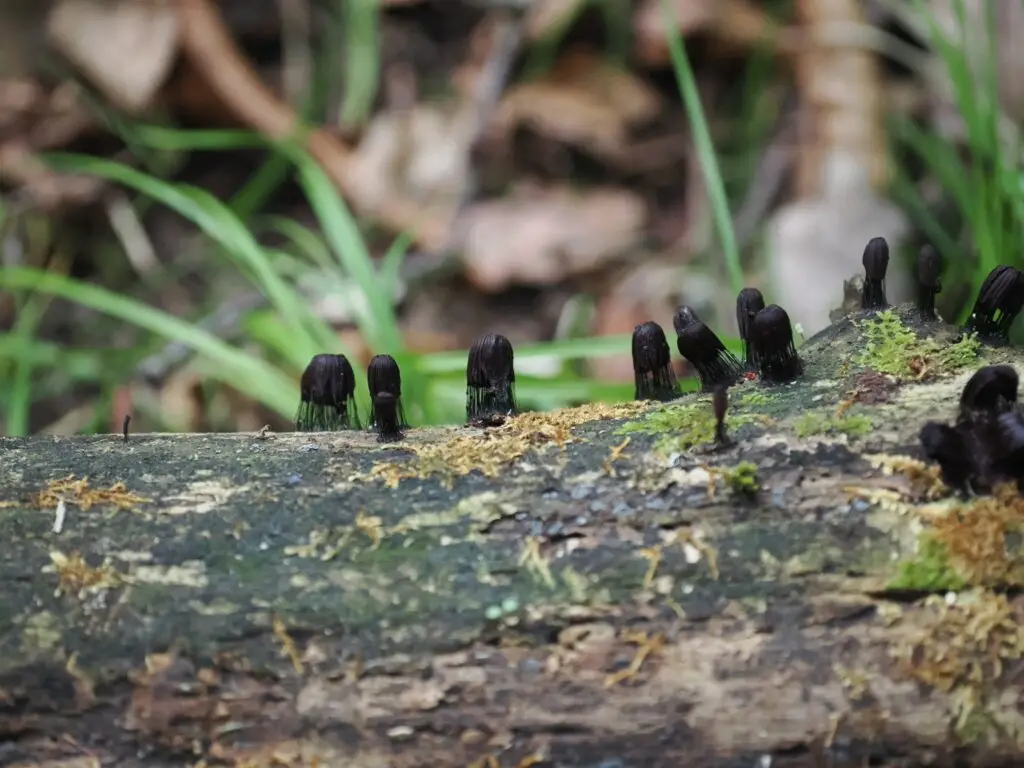
Multiple attendees spotted these Chocolate Tube Slime Moulds (genus Stemonitis) on a rotting log, with slender stalks supporting tall brown sporangia.
Please see below for a complete list of confirmed species from the BioBlitz, or visit the MMLT – Aird Creek MapleCross Nature Reserve project on iNaturalist.
Confirmed Species Observed at the MMLT Aird Creek MapleCross BioBlitz on June 27, 2026
Herbaceous Plants:
- Crome Sphagnum
- Pincushion Moss
- Shingle Moss
- Stairstep Moss
- Greater Whipwort
- Wall Scalewort
- Marginal Wood Fern
- Intermediate Wood Fern
- American Royal Fern
- Silvery Glade Fern
- Interrupted Fern
- Cinnamon Fern
- Ostrich Fern
- Sensitive Fern
- Eagle Fern
- Rock Polypody
- Long Beech Fern
- Northern Oak Fern
- Northern Lady Fern
- Rattlesnake Fern
- Bulblet Fern
- Maidenhair Spleenwort
- Shining Firmoss
- Fan Clubmoss
- Interrupted Clubmoss
- Stag’s-horn Clubmoss
- Shingle Moss
- Awl-fruited Sedge
- Bladder Sedge
- Bristle-stalked Sedge
- Graceful Sedge
- Inland Sedge
- Two-seeded Sedge
- Black-fruit Mountain-Ricegrass
- White-grained Mountain-ricegrass
- Dwarf Horsetail
- Rough Horsetail
- Field Horsetail
- Wood Horsetail
- Ghost Pipe
- Spotted Coralroot
- Round-lobed Hepatica
- Fringed Polygala
- Bunchberry
- Partridgeberry
- Wintergreen
- Northern Starflower
- Twoleaf Miterwort
- Naked Bishop’s Cap
- Creeping Foamflower
- Threeleaf Goldthread
- Fragrant Bedstraw
- Alpine Enchanter’s-nightshade
- Broadleaf Enchanter’s Nightshade
- Twinflower
- Creeping Snowberry
- Canada Mayflower
- Appalachian Barren-Strawberry
- Dwarf Raspberry
- Purple-flowered Raspberry
- Virginia Strawberry
- Woodland Strawberry
- Allegheny Blackberry
- Mountain Woodsorrel
- Upright Yellow Woodsorrel
- Red Columbine
- Herb Robert
- Large-leaved Aster
- Rough-stemmed Goldenrod
- Hairy Solomon’s-Seal
- Eastern Solomon’s Plume
- Shinleaf
- One-flowered Wintergreen
- Marsh Skullcap
- Marsh Speedwell
- Bog Labrador Tea
- Bulblet-bearing Water Hemlock
- American Bugleweed
- Bluebead Lily
- Cucumber Root
- Jack-in-the-Pulpit
- Two-leaved Toothwort
- Indian Tobacco
- Rose Twisted-stalk
- Philadelphia Fleabane
- Hooked Buttercup
- Kidneyleaf Buttercup
- Northern Stickseed
- Tall Meadow-Rue
- Common Boneset
- Rough Cinquefoil
- Tall Thimbleweed
- Spotted Jewelweed
- Spreading Dogbane
- Beetberry
- Wild Basil
- Red Trillium
- Large White Trillium
- Largeflower Bellwort
- Red Baneberry
- White Baneberry
- Wild Sarsaparilla
- American Spikenard
- False Nettle
- Wood Nettle
- Slender Stinging Nettle
- Pennsylvania Bittercress
- American Golden Saxifrage
- Clammy Groundcherry
- Common Milkweed
- Spotted Joe-Pye Weed
- Tufted Loosestrife
- Fringed Black Bindweed
- Common Dandelion*
- Broad-leaved Helleborine*
- Bladder Campion*
- Common Viper’s Bugloss*
- Common Mullein*
- Oxeye Daisy*
- Black Medick*
- Lesser Stitchwort*
- Red Clover*
- White Clover*
- White Sweet-Clover*
- Large Hop Clover*
- Colt’s-Foot*
- Cow Vetch*
- White Bedstraw*
- Common Ragweed*
- Bittersweet Nightshade*
- Silvery Cinquefoil*
- Spotted Knapweed*
- Heath Speedwell*
- Meadow Hawkweed*
- Orange Hawkweed*
- Wild Parsnip*
- Wormseed Wallflower*
- Meadow Buttercup*
- Bull Thistle*
Trees & Shrubs:
- Eastern Leatherwood
- Prickly Gooseberry
- American Fly-honeysuckle
- Northern Bush Honeysuckle
- Glaucous Honeysuckle
- Alternate-leaved Dogwood
- Round-leaved Dogwood
- Red Osier Dogwood
- Slippery Elm
- Red-berried Elder
- Staghorn Sumac
- Bebb’s Willow
- Prairie Willow
- Beaked Hazelnut
- Choke Cherry
- Pin Cherry
- Canada Yew
- Common Juniper
- Eastern White Cedar
- Eastern Hemlock
- Baslam Fir
- Red Spruce
- White Spruce
- Eastern White Pine
- Grey Alder
- Common Apple
- Black Cherry
- Paper Birch
- Yellow Birch
- American Beech
- Eastern Hop Hornbeam
- Balsam Poplar
- Bigtooth Aspen
- Trembling Aspen
- Basswood
- American Elm
- Black Ash
- White Ash
- Mountain Maple
- Red Maple
- Striped Maple
- Sugar Maple
- Northern Red Oak
Fungi & Lichens:
- Northern Red Belt
- Dryad’s Saddle
- Sarsaparilla Leaf Miner Fly
- Porcini and Allies (genus)
- Chocolate Tube Slimes (genus)
- Tree Lungwort
- Ruffled Freckled Pelt Lichen
- Sea Storm Lichen
Arthropods:
- Aculus minutissimus (arachnid)
- Ash Bullet Gall Midge
- Alder Leaf Gall Mite
- Two-spotted Grass Bug
- Winter Firefly
- Bothersome Deer Fly
- Phytomyza aralivora (fly)
- Black-thighed Bladetail
- Forked Fungus Beetle
- Orange-spotted Handsome Fungus Beetle
- Wrinkled Soldier Beetle
- Swamp Milkweed Leaf Beetle
- Eastern Elderberry Borer
- White-spotted Sawyer Beetle
- Ebony Jewelwing
- European Honey Bee
- Virginia Ctenucha Moth
- Common Bagworm Moth
- Hobomok Skipper
- Indian Skipper
- Little Wood Satyr
- Calico Pennant
- Widow Skimmer
- Common Whitetail
- Chalk-fronted Corporal
- Black-shouldered Spinyleg
Herps:
- Eastern Red-backed Salamander
- Eastern Garter Snake
- American Toad
- Northern Leopard Frog
- Wood Frog
- Spring Peeper
Birds:
- Chestnut-sided Warbler
- Northern Parula
- Hermit Thrush
- Veery
- Ovenbird
- Winter Wren
- Swamp Sparrow
- Blue Jay
- Eastern Meadowlark
- Pileated Woodpecker
Mammals:
- Canadian Beaver
- American Black Bear
- White-tailed Deer